Table of Contents
- Introduction
- Understanding the Importance of a Healthy Lifestyle
- What is the most successful way to lose weight fast?
- Creating a personalized weight loss plan
- Common Mistakes to Avoid in Weight Loss
- Best Foods to Eat for Weight Loss
- Effective Physical Activity for Weight Loss
- Maintaining Your Weight After Losing It
- Finding Support and Resources for Your Weight Loss Journey
- Conclusion
- Frequently Asked Questions
Introduction
Ready to transform your life and embark on a journey of wellness? St. Martin, nestled in the heart of Missouri, offers stunning landscapes, vibrant culture, and a unique opportunity to revitalize your body and mind. Imagine wandering through picturesque streets lined with charming cafes, indulging in fresh, healthy cuisine that fuels your body for optimal health. This is more than just a trip; it’s a chance to break free from the daily grind and embrace a healthier lifestyle.
As you explore St. Martin, you’ll find a plethora of activities designed to elevate your well-being—whether it’s hiking scenic trails, participating in invigorating fitness classes, or simply savoring the serene environment. Are you struggling with weight loss? Don’t miss out on our exclusive tips and resources from certified experts to guide you on this transformative voyage. Click here for vital information on weight loss and take the first step toward a healthier you!
Every corner of this captivating town is filled with inspiration and motivation, encouraging you to set sail for wellness like never before.
Understanding the Importance of a Healthy Lifestyle
Understanding the importance of a healthy lifestyle is crucial for enhancing overall well-being and longevity. A healthy lifestyle encompasses a balanced diet, regular physical activity, mental wellness, and adequate rest. Each of these components plays a significant role in maintaining physical health, boosting energy levels, and improving mood.
Nutrition is a fundamental aspect of a healthy lifestyle. Consuming a variety of foods rich in nutrients ensures the body functions optimally, reducing the risk of chronic diseases such as obesity, heart disease, and diabetes.
Regular physical activity, whether through structured exercise or daily activities, promotes cardiovascular health, strengthens muscles, and enhances flexibility. It also contributes to mental health by reducing symptoms of anxiety and depression.
Mental wellness, often overlooked, is vital as it affects how we think, feel, and act. Practices such as mindfulness, meditation, or simply taking time for leisure can significantly enhance mental resilience.
Finally, quality sleep is indispensable for recovery and cognitive functions, making it an integral part of any healthy lifestyle.
What is the most successful way to lose weight fast?
When it comes to losing weight quickly, the most successful approach often combines dietary changes, physical activity, and lifestyle adjustments.
First and foremost, creating a calorie deficit is essential. This can be achieved by consuming fewer calories than your body burns. Incorporating whole foods such as fruits, vegetables, lean proteins, and whole grains can enhance satiety while maintaining a lower calorie intake.
Additionally, engaging in regular physical activity significantly boosts weight loss efforts. Aim for a mix of cardiovascular exercises, like running or cycling, and strength training to increase muscle mass, which can elevate metabolism.
Hydration is another critical factor; drinking plenty of water can help control hunger and prevent unnecessary snacking. Furthermore, quality sleep and stress management play vital roles in effective weight loss. Lack of sleep can affect hormones that regulate appetite, while stress can lead to emotional eating.
All these elements combined create a holistic approach to rapid weight loss, promoting not just physical transformation but improved overall health.
Creating a personalized weight loss plan
Creating a personalized weight loss plan is essential for achieving sustainable results. The first step involves setting realistic goals that are both attainable and measurable. Instead of extreme diets, focus on gradual changes like incorporating healthier foods and increasing physical activity.
Next, it is important to assess your current eating habits and lifestyle. Keeping a food diary can help identify triggers and patterns that lead to overeating or poor food choices. Understanding these habits allows for informed modifications that fit your personal preferences.
Additionally, consider consulting with a nutritionist or healthcare provider to tailor your plan. They can offer valuable insights based on your unique health profile, including age, weight, and activity level. Incorporating a variety of nutrients ensures that the body receives essential vitamins and minerals while losing weight.
Finally, staying motivated is key; celebrate small victories and adjust your goals as needed. A personalized weight loss plan isn’t just about losing pounds; it’s about developing a healthier lifestyle that can be maintained long-term.
Common Mistakes to Avoid in Weight Loss
Weight loss can be a challenging journey, and many individuals unknowingly make common mistakes that hinder their progress. One of the most frequent errors is resorting to crash diets that promise quick results but are unsustainable in the long run. These diets can lead to nutritional deficiencies and often result in weight regain once normal eating resumes.
Another mistake is neglecting the importance of physical activity. Some individuals may believe that simply restricting calories is enough, but incorporating exercise is essential for maintaining muscle mass and boosting metabolism.
Additionally, many people underestimate portion sizes, leading to overeating even healthy foods. It’s vital to understand that consuming more calories than the body needs, regardless of the food type, can impede weight loss efforts.
Finally, setting unrealistic goals can lead to disappointment and frustration. Instead, focusing on gradual changes and celebrating small victories can foster a more positive relationship with food and body image.
Best Foods to Eat for Weight Loss
When it comes to weight loss, choosing the right foods can make all the difference. Incorporating whole foods such as fruits, vegetables, whole grains, and lean proteins is essential for a healthy diet. These foods are not only nutrient-dense but also low in calories, making them ideal for weight management.
Foods high in fiber, such as legumes, oats, and chia seeds, can help to keep you feeling full longer, reducing the likelihood of snacking between meals. Additionally, lean proteins like chicken, fish, and plant-based proteins can boost your metabolism and promote muscle maintenance.
Healthy fats, found in sources like avocados, nuts, and olive oil, can also be beneficial, as they help to regulate appetite and improve overall satiety. Lastly, don’t forget to stay hydrated; sometimes, our bodies confuse thirst for hunger.
By focusing on these food groups, you can create a balanced and satisfying meal plan that supports your weight loss goals.
Effective Physical Activity for Weight Loss
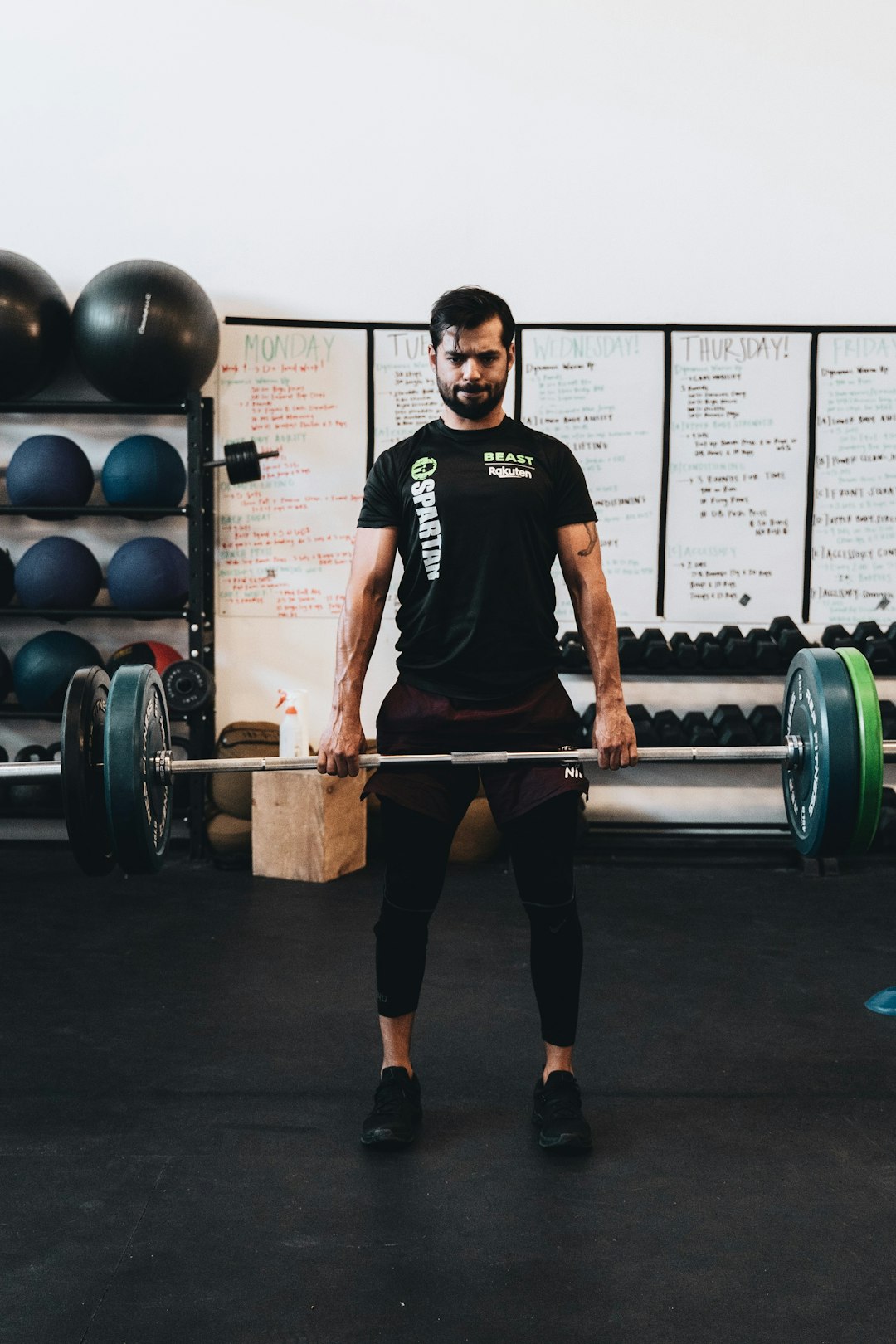
Effective physical activity plays a crucial role in weight loss and overall health improvement. Engaging in regular exercise helps to burn calories, which is essential in creating the caloric deficit necessary for weight loss. This can include a variety of activities such as aerobic exercises, strength training, and flexibility workouts.
Aerobic exercises, like running, cycling, or swimming, elevate the heart rate and improve cardiovascular health, making them excellent for burning calories. Strength training helps to build muscle mass, which can increase the metabolic rate, allowing the body to burn more calories at rest.
Choosing activities that you enjoy is vital, as it promotes consistency and long-term adherence. Incorporating high-intensity interval training (HIIT) can also be effective, as it alternates between short bursts of intense activity and periods of rest, maximizing calorie burn in a shorter time frame.
Additionally, integrating physical activity into daily routines, such as taking the stairs or walking instead of driving, can contribute significantly to weight loss efforts by increasing overall daily energy expenditure.
Maintaining Your Weight After Losing It
Maintaining your weight after a successful weight loss journey can often be more challenging than the initial loss itself. Once you’ve reached your desired weight, the key is to adopt a sustainable lifestyle that promotes long-term health. This involves consistently monitoring your eating habits and ensuring that they align with your health goals.
Incorporating regular physical activity into your daily routine is vital for weight maintenance. Aim for at least 150 minutes of moderate-intensity exercise each week, such as walking, swimming, or cycling. This not only helps burn calories but also improves overall well-being.
Additionally, practice mindful eating by paying attention to your hunger cues and avoiding emotional eating. Keeping a food journal can be a helpful tool in identifying patterns and staying accountable. It’s also beneficial to connect with a supportive community, whether through friends, family, or weight support groups, to share experiences and challenges.
Ultimately, maintaining your weight requires dedication and a proactive approach to your health, ensuring that you enjoy a balanced and fulfilling lifestyle.
Finding Support and Resources for Your Weight Loss Journey
Embarking on a weight loss journey can feel daunting, but finding the right support and resources can significantly enhance your chances of success. One of the first steps is to seek support from family and friends who understand your goals and can provide encouragement. Sharing your aspirations with those around you creates a sense of accountability and motivation.
Additionally, consider joining a local or online weight loss group. These communities offer not only emotional support but also practical advice from individuals who are on similar journeys. Many find comfort in group discussions, sharing experiences, and celebrating each other’s milestones.
Consulting health professionals, such as a dietitian or a personal trainer, can provide tailored guidance suited to your unique needs. They can help you create a sustainable meal plan and exercise regimen that aligns with your lifestyle. Furthermore, exploring apps and online platforms dedicated to weight loss can offer tracking tools, recipes, and exercise guides, making it easier to stay on course.
Conclusion
Set Sail for Wellness: Transform Your Life on St. Martin’s Revitalizing Voyage
As you embark on the journey toward improved health, the importance of understanding a holistic approach is paramount. Embracing a healthy lifestyle through balanced nutrition, regular physical activity, and mental wellness lays the foundation for lasting well-being. By creating a personalized weight loss plan, staying aware of common pitfalls, and incorporating effective physical activities, you set yourself up for success. However, many may find themselves struggling to achieve their goals without leveraging available tools and resources. Those who choose not to explore innovative products like weight loss options, such as Liv Pure, which offers a unique approach to fat reduction, may risk being left behind in their wellness endeavors. Don’t miss the chance to transform your life; consider integrating every tool at your disposal to ensure smooth sailing on your health journey.